

Priemyselné správy
 Domov / Novinky / Priemyselné správy / Pevné koberce: Ako si vybrať ten správny pre váš priestor a rozpočet
  2026.07.14
 Priemyselné správy
Pevný koberec sa môže zdať ako najjednoduchší produkt v akomkoľvek sortimente kobercov, ale dôsledne prevyšuje množstvo vzorovaných alternatív na maloobchodných aj veľkoobchodných trhoch. Dôvod je jednoduchý: hladký koberec funguje prakticky s akýmkoľvek štýlom interiéru, farbou nábytku alebo schémou dekorácie bez toho, aby kupujúci musel robiť zložité rozhodnutia o dizajne. Či už má miestnosť výrazné akcentové steny, vzorované čalúnenie alebo neutrálnu paletu, jednofarebný koberec ukotví priestor bez toho, aby v ňom vizuálne konkuroval čomukoľvek inému.
Pre kupujúcich, ktorí nakupujú koberce na ďalší predaj, interiérové vybavenie alebo pohostinské projekty, majú pevné koberce aj praktickú výhodu v inventári – na pokrytie širokej zákazníckej základne je potrebných menej SKU, pretože jedna farba vo viacerých veľkostiach slúži viac prípadom použitia ako dizajn so špecifickým vzorom. Pochopenie toho, čo oddeľuje kvalitný koberec s pevnou plochou od komoditného produktu, pomáha kupujúcim robiť rozhodnutia o zdrojoch, ktoré sa držia pri skutočnom používaní a nie len pri fotografovaní produktov.
Vlákno použité v jednofarebnom koberci určuje nielen to, ako sa cíti pod nohami, ale aj to, ako sa časom nosí, ako reaguje na čistenie a ako dobre drží svoju farbu bez vizuálnej kamufláže, ktorú poskytujú vzory. Na obyčajnom koberci sú vzory opotrebovania, vyblednutie a degradácia vlákien okamžite viditeľné, vďaka čomu je výber materiálu dôslednejší ako pri rušnejších dizajnoch.
Koberce z pevnej vlny sú široko považované za meradlo kvality v tejto kategórii. Vlna prirodzene odoláva znečisteniu, dobre si zachováva svoj vlasový tvar pri pohybe a má prirodzený lesk, vďaka ktorému plné farby vyzerajú skôr sýto a rozmerovo ako ploché. Vlna tiež výnimočne dobre znáša farbivo a vytvára hlbokú, konzistentnú sýtosť farieb, ktorá vydrží roky používania. Kompromisom je cena – koberce z pevnej vlny majú vyššiu cenu ako syntetické alternatívy, čo ovplyvňuje maloobchodné ceny aj požiadavky na minimálne objednávky pri získavaní veľkoobchodných zdrojov.
Polypropylén je najrozšírenejším syntetickým vláknom pre koberce s pevnou plochou na trhu strednej triedy. Je farbený v roztoku, čo znamená, že farba sa pridáva k vláknu počas výroby, a nie následne, čo poskytuje polypropylénovým kobercom vynikajúcu stálofarebnosť a odolnosť voči bieleniu a vlhkosti. Vďaka tomu sú obzvlášť vhodné pre domácnosti s deťmi alebo domácimi zvieratami, ako aj pre kryté vonkajšie alebo polovonkajšie použitie. Polypropylén nemá prirodzenú mäkkosť vlny alebo mikrovlákna, ale pokroky vo výrobe vlákien vytvorili mäkšie PP konštrukcie, ktoré dobre fungujú v obytných priestoroch.
Polyesterové pevné koberce ponúkajú dobrú živosť farieb pri nižších nákladoch ako vlna a vlákno sa dá spracovať do rôznych vlasových textúr od rezaného plyšu až po slučkové konštrukcie. Polyester je menej odolný ako nylon alebo vlna pod ťažkým nábytkom alebo pri stálom chodení – má tendenciu sa časom sploštiť a zachovať si priehlbiny – ale funguje dobre v spálňach, kútikoch na čítanie a iných ľahších priestoroch. Pre kupujúcich, ktorí sa zameriavajú na hodnotový segment trhu, ponúkajú polyesterové jednofarebné koberce vizuálne príťažlivý produkt za dostupné ceny.
Nylon je najodolnejšie syntetické vlákno bežne používané v kobercoch a je praktickou voľbou pre pevné koberce určené do komerčných alebo obytných priestorov s vysokou návštevnosťou. Odoláva oderu, dobre sa zotavuje po stlačení a spoľahlivo drží farbivo v širokom rozsahu farieb. Nylonové koberce s pevnou plochou stoja viac ako polypropylén alebo polyester, ale menej ako vlna, čo ich stavia do konkurenčného stredu pre kupujúcich, ktorí uprednostňujú odolnosť pred rozpočtom.
Pretože hladký koberec nemá žiadny vzor, ktorý by pritiahol pozornosť, textúra a vlasová konštrukcia sa stávajú primárnym vizuálnym a hmatovým prvkom. Rôzne konštrukčné metódy vytvárajú odlišné povrchové efekty, ktoré ovplyvňujú to, ako koberec vyzerá v miestnosti, ako sa nosí a aký druh údržby vyžaduje.
| Typ konštrukcie | Vzhľad povrchu | Trvanlivosť | Najlepšie pre |
| Rezaná hromada (plyš) | Mäkký, zamatový, jednotný lesk | Mierne | Spálne, obývačky, málo frekventované priestory |
| Loop Pile (berber) | Textúrovaný, ležérny, matný povrch | Vysoká | Chodby, kancelárie, miesta s vysokou návštevnosťou |
| Cut and Loop | Jemná rozmerová textúra | Mierne to High | Prechodné priestory, rodinné izby |
| Flatweave | Tenké, tkané, obojstranné | Veľmi vysoká | Kuchyne, vchody, vrstvenie cez koberec |
| Shag / vysoký vlas | Luxusná, hlboká, výrazná textúra | Nízka až stredná | Spálne, salóniky, dekoratívne použitie |
Konkrétne v prípade pevných kobercov majú konštrukcie s rezanými vlasmi tendenciu vykazovať smerové tienenie – efekt svetla a tmy, ktorý sa mení v závislosti od uhla pohľadu – čo dáva aj tým najjednoduchším jednofarebným kobercom dojem hĺbky a vizuálneho záujmu. Kupujúci, ktorí nakupujú pevné koberce pre maloobchod, by mali pri prezeraní vzoriek zohľadniť tento efekt smeru vlasu, pretože výrazne mení spôsob fotografovania farieb a vzhľad koberca za rôznych svetelných podmienok v miestnosti.
Výber farby je najdôležitejším rozhodnutím pri zostavovaní radu kobercov s pevnou plochou, či už na osobné použitie alebo na skladovanie v maloobchode. Na rozdiel od vzorovaných kobercov, ktorých dizajn nesie veľkú časť estetickej váhy, jednofarebný koberec žije alebo zaniká podľa toho, ako dobre sa jeho špecifický tón integruje do skutočného prostredia interiéru. Komerčne najodolnejšie farby pevných neutrálnych kobercov majú tendenciu zhlukovať sa v niekoľkých rodinách.
Veľkoobchodní kupujúci, ktorí budujú základný sortiment pre maloobchod, by mali zvážiť ukotvenie zostavy tromi až piatimi neutrálnymi farebnými odtieňmi a doplnenie dvoma alebo tromi sezónnymi alebo akcentujúcimi tónmi, ktoré možno striedať, aby odrážali aktuálne interiérové trendy. To vyvažuje konzistentný pohyb akcií s dostatočnou rozmanitosťou na prilákanie opakovaných kupujúcich.
Na správnej veľkosti záleží viac pri obyčajnom koberci ako pri vzorovanom. Pretože neexistuje žiadna vizuálna zložitosť, ktorá by rozptyľovala oko, proporcie sú okamžite zrejmé – poddimenzovaný masívny koberec vo veľkej miestnosti vyzerá viac nevhodne ako podobne poddimenzovaný vzorovaný koberec. Nasledujúce pokyny k dimenzovaniu sa vzťahujú na najbežnejšie prípady použitia v domácnostiach.
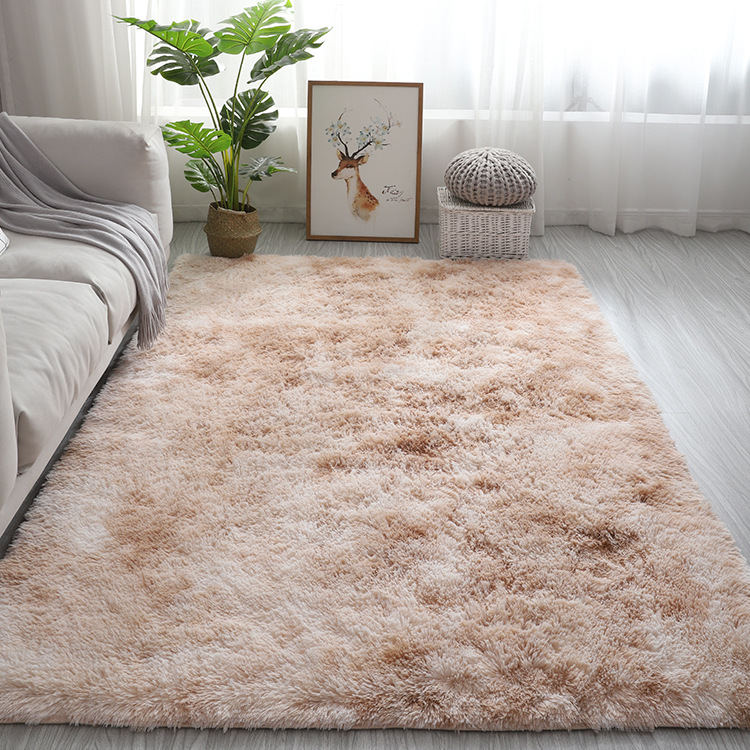
Pevné koberce odhaľujú kvalitu výroby ľahšie ako vzorované alternatívy, pretože neexistuje žiadna zložitosť dizajnu, ktorá by odvádzala pozornosť od nezrovnalostí. Kupujúci, ktorí získavajú zdroje od výrobcov alebo veľkoobchodných dodávateľov, by mali pri pevných produktoch uplatňovať prísnejšiu kontrolu kvality ako pri rušnejších dizajnoch.
Najčastejšou sťažnosťou na kvalitu jednofarebných kobercov je variácia šarže farbiva – nepatrné, ale viditeľné farebné rozdiely medzi kobercami vyrobenými v rovnakom poradí. To je obzvlášť problematické pre komerčných kupujúcich, ktorí si objednávajú viacero kobercov pre rovnaký priestor, ako sú hotelové izby alebo maloobchodné zariadenia, kde záleží na vizuálnej jednotnosti. Vždy požadujte, aby pri výrobe šarží bola použitá jedna šarža farbiva, a ak to nie je možné, požiadajte dodávateľa, aby označil čísla šarží, aby ich bolo možné spravovať pri inštalácii.
Na obyčajnom koberci je povrchová úprava hrán jednou z prvých vecí, ktoré si kupujúci alebo koncový zákazník všimne. Servírované okraje, viazané okraje a ručne dokončované lemy vytvárajú rôzne estetické výsledky. Servírované okraje v zodpovedajúcej farbe priadze vyzerajú čisto a sú najpraktickejšie pre veľkosériovú výrobu. Okraje okrajov dodávajú tradičnú alebo globálnu estetiku, ale vyžadujú starostlivejšiu manipuláciu pri výrobe, aby sa zabezpečila jednotnosť. Skontrolujte, či je stehovanie okrajov tesné a konzistentné po celom obvode, pretože uvoľnené alebo preskočené stehy na pevných koberčekoch sú okamžite viditeľné.
Prejdite rukou naplocho po povrchu koberca vo viacerých smeroch. Vlas by sa mal cítiť konzistentne vo výške a hustote po celom povrchu bez tenkých škvŕn, chumáčových medzier alebo oblastí, kde je cez vlas viditeľný podklad. Na pevných kobercoch aj malá nekonzistentnosť vo výške vlasu vytvára viditeľný tieň alebo pruh, ktorý je okamžite viditeľný pri osvetlení miestnosti.
Pretože pevné koberce vykazujú znečistenie, opotrebovanie a vyblednutie viditeľnejšie ako vzorované alternatívy, návyky údržby priamo ovplyvňujú, ako dlho bude koberec vyzerať reprezentatívne v domácom alebo komerčnom prostredí. Správna rutina starostlivosti sa líši v závislosti od materiálu, ale tieto všeobecné postupy platia pre väčšinu typov kobercov na pevné plochy.
Pre kupujúcich, ktorí nakupujú koberce s pevnou plochou vo veľkoobchodnom objeme, môže niekoľko cielených otázok počas hodnotenia dodávateľa predísť najbežnejším problémom s obstarávaním skôr, ako ovplyvnia kvalitu zásob alebo spokojnosť zákazníkov.
Dodávatelia, ktorí poskytujú jasné, zdokumentované odpovede na tieto otázky a ktorí ponúkajú fyzické vzorky pred úplnou výrobou, sú vo všeobecnosti spoľahlivejšími dlhodobými partnermi pri získavaní zdrojov. V kategórii pevných kobercov, kde je kvalita produktu okamžite viditeľná pre koncového zákazníka, budovanie vzťahu s výrobcom, ktorý berie konzistentnosť vážne, prináša dividendy v nižšej návratnosti a silnejšom správaní pri opakovanom nákupe.

Pridať: Č.

Tel : +86-189 6750 9795

FAX : +86-0575-8803 2773

Email :

Copyright © Zhejiang Benyi Technology Technology Co., Ltd. All Rights Reserved. Výrobcovia kobercov a kobercov